Hey there, solar plant owners and enthusiasts! I'm from a cleaning robot supplier for solar plants, and today, I'm gonna dive into the differences between different types of cleaning robots for solar plants.
1. Cleaning Mechanisms
One of the most significant differences among solar plant cleaning robots lies in their cleaning mechanisms. There are mainly three types: brush - based, water - jet, and hybrid.
Brush - Based Cleaning Robots
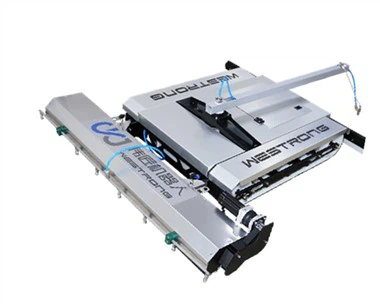
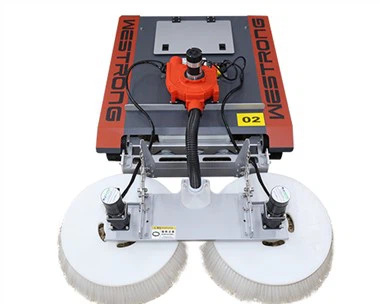
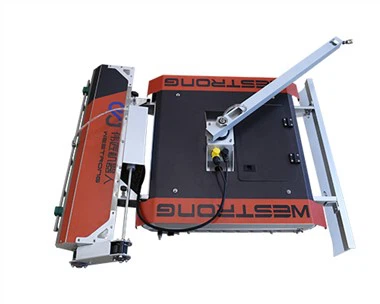
Brush - based robots are like the old - school workhorses of the solar cleaning world. They use rotating brushes to physically scrub the dirt and debris off the solar panels. The advantage of these robots is their simplicity and effectiveness in removing stubborn dirt. For instance, if you have a solar plant in an area with a lot of dust and sand, a brush - based robot can do a great job. The BQ - 1300S Westrong PV Cleaning Robot Component Cleaning Robot [/solar - panel - cleaning - robot/distributed - solar - panel - cleaning - robot/bq - 1300s - westrong - pv - cleaning - robot - component.html] is a great example of a brush - based cleaning robot. Its brushes are designed to be tough enough to handle dirt but gentle enough not to scratch the solar panels.
However, there are also some drawbacks. Over time, the brushes can wear out, and you'll need to replace them. Also, if the dirt is really sticky or there are some chemical residues on the panels, the brushes might not be able to clean them thoroughly.
Water - Jet Cleaning Robots
Water - jet cleaning robots, on the other hand, use high - pressure water jets to blast away the dirt. These robots are great for cleaning large areas quickly. They can reach places that brushes might miss, especially in the crevices and corners of the solar panels. The BQ - 1200 Water Pipe Solar Panel Cleaning Robot [/solar - panel - cleaning - robot/distributed - solar - panel - cleaning - robot/bq - 1200 - water - pipe - solar - panel - cleaning - robot.html] and the BQ - 700 Water Pipe Solar Panel Cleaning Robot [/solar - panel - cleaning - robot/distributed - solar - panel - cleaning - robot/bq - 700 - water - pipe - solar - panel - cleaning - robot.html] are both water - jet type robots.
The main advantage of water - jet robots is their high - speed cleaning. But they do have some limitations. They require a large amount of water, which can be a problem in areas with water scarcity. Also, the high - pressure water might cause damage to the panels if not properly adjusted.
Hybrid Cleaning Robots
Hybrid cleaning robots combine the best of both worlds. They use both brushes and water jets to clean the solar panels. This way, they can remove both the stubborn dirt with the brushes and the fine dust with the water jets. Hybrid robots are more flexible and can adapt to different types of dirt and panel conditions.
2. Mobility and Navigation
Another difference between cleaning robots is their mobility and navigation systems.
Track - Based Robots
Track - based robots are very stable and can easily move on uneven surfaces. They are like tanks on the solar panels, slowly but steadily making their way across. These robots are great for large - scale solar plants where the terrain might not be perfectly flat. However, they are a bit slower compared to some other types of robots, and their tracks can cause scratches on the panels if they are not made of the right materials.
Wheeled Robots
Wheeled robots are generally faster than track - based robots. They can move quickly across the panels, which is ideal for small to medium - sized solar plants. But they are not as stable on uneven surfaces. If the panels are not properly aligned, the wheels might get stuck, and the robot will need to be manually repositioned.
Navigation Systems
Most modern cleaning robots are equipped with advanced navigation systems. Some use GPS to map out the solar plant and plan their cleaning routes. This allows them to clean the panels in an efficient and organized manner. Other robots use sensors to detect obstacles and adjust their paths accordingly. This is especially useful in solar plants where there might be some equipment or structures in the way.
3. Energy Sources
The energy sources of cleaning robots also vary.
Solar - Powered Robots
Solar - powered cleaning robots are very eco - friendly. They use the energy from the solar panels they are cleaning to power themselves. This means that they don't need an external power source, which is a big advantage, especially in remote solar plants. However, their cleaning efficiency might be affected by the weather. On cloudy days, they might not be able to generate enough power to clean the panels effectively.


Battery - Powered Robots
Battery - powered robots are more reliable in terms of power supply. They can be charged overnight and then used to clean the panels during the day. The main drawback is that you need to replace or recharge the batteries regularly, which can be a hassle.
4. Maintenance Requirements
Different types of cleaning robots also have different maintenance requirements.
Brush - based robots need to have their brushes replaced regularly, as I mentioned earlier. The brushes can wear out due to friction with the panels, and if they are not replaced, the cleaning efficiency will decrease. Water - jet robots need to have their water pipes and nozzles checked and cleaned to prevent blockages. Hybrid robots need to have both their brush and water - jet components maintained.
Battery - powered robots need to have their batteries tested and replaced when their capacity decreases. Solar - powered robots need to have their solar panels cleaned and inspected to ensure they are working properly.
5. Cost
Cost is always a major factor when choosing a cleaning robot for a solar plant.
Brush - based robots are generally the cheapest in terms of upfront cost. They are simple in design and don't require a lot of complex technology. However, the cost of brush replacement over time can add up. Water - jet robots are more expensive upfront, mainly because of the high - pressure water systems. But they can save you money in the long run if they can clean the panels more efficiently and reduce the need for manual cleaning. Hybrid robots are usually the most expensive, but they offer the best cleaning performance.
So, there you have it, the main differences between different types of cleaning robots for solar plants. If you're in the market for a cleaning robot for your solar plant, I hope this blog has given you some useful insights. Whether you need a brush - based, water - jet, or hybrid robot, we've got a solution for you. If you want to learn more about our products or discuss a purchase, feel free to reach out. We're here to help you keep your solar panels clean and operating at peak efficiency!
References
- Industry reports on solar panel cleaning technologies
- Research papers on the performance of different types of cleaning robots in solar plants