In the realm of renewable energy, solar power stands out as a cornerstone for a sustainable future. However, the efficiency of solar panels can be significantly hampered by dirt, dust, and debris accumulation. This is where dry clean solar panel cleaning robots come into play. As a leading supplier of these innovative cleaning solutions, I am excited to delve into the cleaning mechanism of these remarkable machines.
The Importance of Clean Solar Panels
Solar panels convert sunlight into electricity through the photovoltaic effect. When dirt and grime cover the surface of the panels, they block sunlight from reaching the photovoltaic cells, reducing the panel's ability to generate electricity. Studies have shown that dirty solar panels can experience a power output reduction of up to 30% [1]. Regular cleaning is, therefore, essential to maintain the optimal performance of solar panels and ensure a good return on investment.
Dry Cleaning Mechanism: An Overview
Dry clean solar panel cleaning robots are designed to clean solar panels without the use of water. This is particularly advantageous in arid regions where water is scarce or in areas where water usage needs to be minimized. The cleaning mechanism typically involves a combination of mechanical brushing, suction, and sometimes electrostatic forces.
Mechanical Brushing
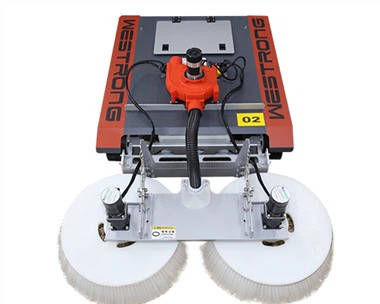
One of the primary components of the dry cleaning mechanism is the mechanical brush. The brushes are made of soft yet durable materials that can effectively remove dirt and debris from the surface of the solar panels without scratching them. The brushes rotate at a high speed, creating a scrubbing action that loosens the dirt particles.
Our VT1000 PV Panel Cleaning Robot is equipped with advanced brushes that are specifically designed for solar panel cleaning. The brushes are adjustable, allowing for different levels of pressure depending on the type and amount of dirt on the panels. This ensures a thorough and gentle cleaning process.
Suction System
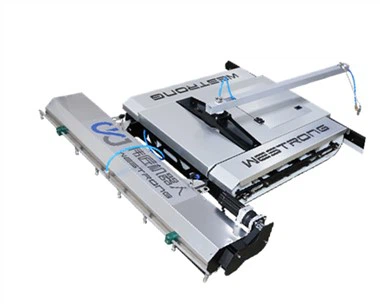
In addition to brushing, dry clean solar panel cleaning robots are often equipped with a suction system. The suction system is responsible for removing the loosened dirt and debris from the surface of the panels. As the brushes loosen the dirt, the suction system sucks it up and stores it in a collection container.
The HT2.5GS Cleaner features a powerful suction system that can effectively collect dirt and dust particles. The suction power is adjustable, allowing for optimal cleaning performance in different environments. This ensures that the panels are not only cleaned but also free from any residual dirt that could potentially affect their performance.
Electrostatic Forces
Some dry clean solar panel cleaning robots also utilize electrostatic forces to enhance the cleaning process. Electrostatic charges are applied to the brushes or the cleaning head, which attract and hold the dirt particles. This helps to prevent the dirt from being re-deposited on the panels during the cleaning process.
The electrostatic cleaning mechanism is particularly effective in removing fine dust particles that are difficult to remove through mechanical brushing alone. By using electrostatic forces, the cleaning robot can achieve a more thorough and efficient cleaning result.
Advantages of Dry Cleaning
There are several advantages to using dry clean solar panel cleaning robots compared to traditional water-based cleaning methods.
Water Conservation
As mentioned earlier, dry cleaning does not require the use of water. This is a significant advantage in regions where water is scarce or where water conservation is a priority. By using dry clean solar panel cleaning robots, solar power plants can reduce their water consumption and contribute to a more sustainable future.
Cost-Effectiveness
Dry cleaning is generally more cost-effective than water-based cleaning methods. Water-based cleaning requires the use of large amounts of water, as well as the cost of transporting and treating the water. Dry clean solar panel cleaning robots, on the other hand, do not require water and have lower operating costs. This makes them a more economical choice for solar power plant operators.

Safety
Dry cleaning is also safer than water-based cleaning methods. Water-based cleaning can pose a risk of electrical shock, especially if the panels are not properly grounded. Dry clean solar panel cleaning robots eliminate this risk by using non-conductive cleaning methods. This ensures the safety of the cleaning personnel and the solar panels.
Our Product Range
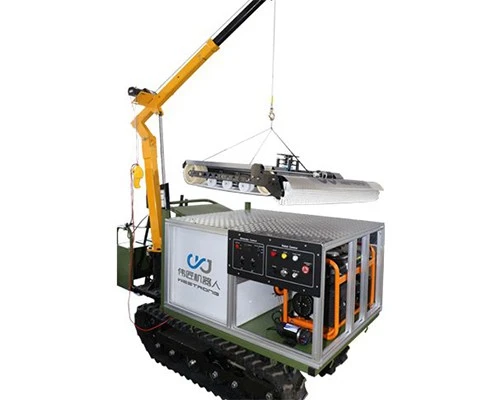
As a supplier of dry clean solar panel cleaning robots, we offer a wide range of products to meet the needs of different solar power plants. In addition to the VT1000 PV Panel Cleaning Robot and the HT2.5GS Cleaner, we also offer the WJ2500 Robot Transport Vehicle.
The WJ2500 Robot Transport Vehicle is designed to transport the cleaning robots to different locations within the solar power plant. It is equipped with a powerful motor and a large carrying capacity, allowing it to transport multiple cleaning robots at once. This ensures efficient and timely cleaning of the solar panels.
Conclusion
Dry clean solar panel cleaning robots offer a highly effective and efficient solution for maintaining the performance of solar panels. The combination of mechanical brushing, suction, and electrostatic forces ensures a thorough and gentle cleaning process. By using dry clean solar panel cleaning robots, solar power plant operators can save water, reduce costs, and improve the safety of their cleaning operations.
If you are interested in learning more about our dry clean solar panel cleaning robots or would like to discuss your specific cleaning needs, please feel free to contact us. We are committed to providing high-quality products and excellent customer service. Let us help you keep your solar panels clean and operating at their best.
References
[1] X. Zhang, Y. Li, and J. Wang, "Effect of dust deposition on the performance of solar photovoltaic modules," Renewable Energy, vol. 35, no. 8, pp. 1790-1795, 2010.